As enterprise software operations transition into the Agentic Era, AI systems are moving from passive recommenders to active operators—autonomously diagnosing telemetry alerts, isolating root causes, and managing incident response workflows within live production environments.
When software has the execution authority to act directly on core runtime infrastructure, any security vulnerability in the platform translates to a direct operational risk for the enterprise. Before an organization can safely govern how an AI agent behaves, it must first ensure the underlying infrastructure hosting it is systematically secure.
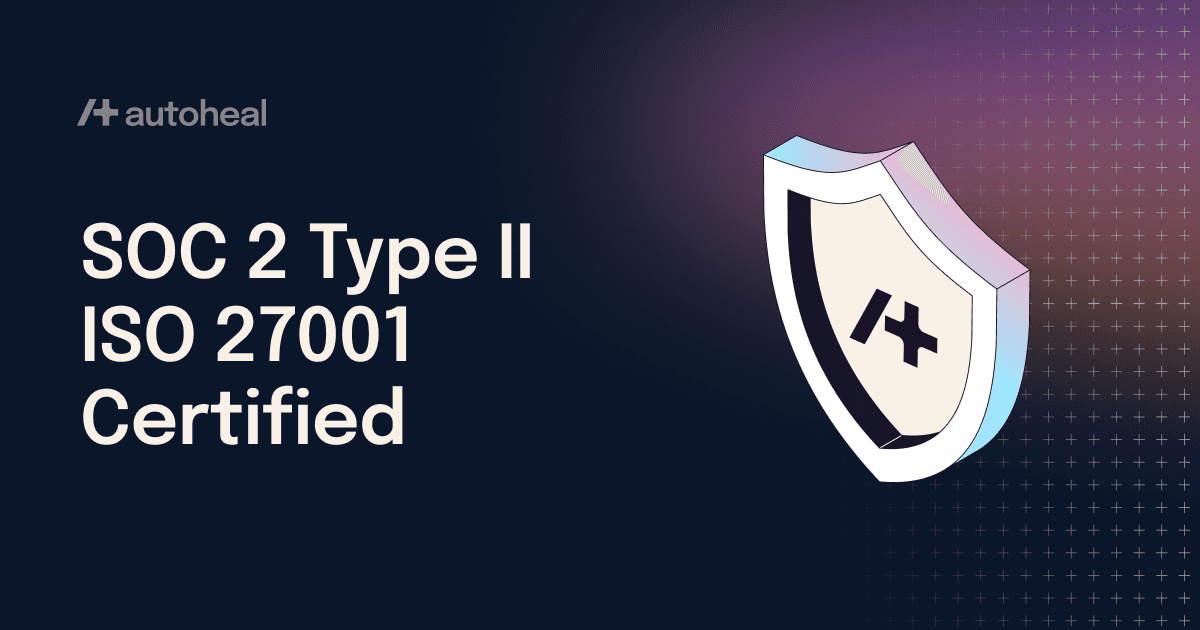
This requirement is why we treat information security as a primary architectural pillar at Autoheal AI. Today, I am sharing a significant milestone in our commitment to operational trust: Autoheal AI has officially achieved both ISO/IEC 27001:2022 and SOC 2 Type 2 certifications following independent, third-party audits.
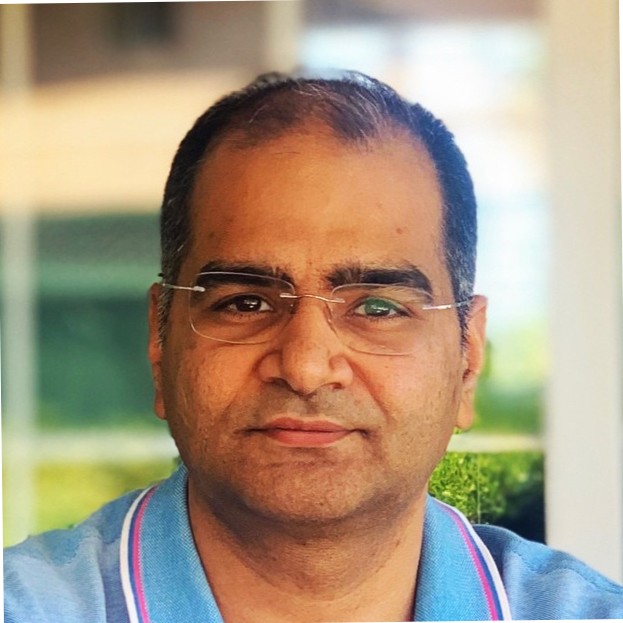
"As we build the infrastructure for autonomous production engineering, we recognize that our platform is being integrated into our clients' most critical runtime environments. Completing both the ISO 27001 and SOC 2 Type 2 audits is third-party validation that our underlying infrastructure, data handling, and internal development processes meet the most rigorous enterprise standards for security and operational consistency." — Sid Choudhury, Co-founder & CEO
A Comprehensive Approach to Governance and Risk Mitigation
Operating safely within enterprise environments requires a mature security management framework coupled with verified operational effectiveness over time. By achieving both standards, we provide our clients with independent validation across two key operational vectors:
ISO/IEC 27001:2022: This internationally recognized benchmark for Information Security Management Systems (ISMS) validates our secure software development lifecycle (SDLC), infrastructure architecture, and systemic data protection controls. The updated 2022 framework specifically accounts for modern cloud architectures and evolving threat landscapes.
SOC 2 Type 2: While a Type 1 audit verifies that security controls exist at a specific point in time, a Type 2 certification evaluates the operational effectiveness of those controls over an extended observation period. This provides objective proof that our security posture is sustained continuously throughout our daily operations.
A mature security posture across both frameworks serves as the mandatory baseline required to safely deploy autonomous workflows within an enterprise environment.
Architected for Enterprise Control
Compliance certifications are only valuable if they are backed by the structural design of the product itself. Because Autoheal AI operates within live production environments, we engineered our multi-agent platform to enforce strict boundary controls, ensuring organizations retain total custody of their data and infrastructure:
Granular Permissioning: Define the precise operational boundaries, allowed commands, and permission levels under which agents can execute.
Immutable Traceability: Record every agent action, system call, and decision trace in a deterministic log for complete visibility during incident post-mortems.
Infrastructure Isolation: Maintain total custody of infrastructure and LLM endpoints via Bring Your Own Cloud (BYOC) models and self-hosted runners.
The Foundation for Self-Driving Production
Achieving ISO 27001 and SOC 2 Type 2 compliance is a milestone, but it is not a static project. Because Autoheal AI operates inside the core of enterprise infrastructure, security cannot exist merely on paper. It must be a continuous engineering discipline.
These certifications provide our enterprise partners with the objective proof they require to clear procurement and risk assessments efficiently. As we continue to advance what is possible in autonomous production engineering, we remain committed to maintaining these rigorous operational standards—ensuring our safeguards evolve alongside the intelligent systems we build.
To request a copy of our SOC 2 Type 2 report, review our formal security documentation, or learn more about our architectural approach to governance, please contact our security team.

